
Fight Night and Tournament Insurance: The Organiser’s Guide
Whether it’s a pro fight night, a club tournament or a charity bout, the venue will want proof of insurance before you bump in. Here’s what event cover involves and how to get it sorted early.
The venue’s booked, the card is half matched and the posters are going up. Then the venue manager asks for a certificate of currency showing $20 million public liability, with the venue noted on it, by Friday. If that’s the first time you’ve thought about insurance for the night, you’re not alone. It’s also the point where events get delayed, moved or cancelled.
This guide is for anyone putting on a combat sports event in Australia: a promoter running a fight night, a club hosting a tournament or grading, a gym running an interclub or an eight-week-challenge showcase, or someone organising a charity or corporate bout. It covers what insurers and venues look at, which covers matter, and what to have ready so the paperwork doesn’t hold up the event.
Why your gym policy probably isn’t enough
A gym policy is set up around what happens in your gym every week: classes, sparring, personal training. A ticketed event is a different risk. There’s a crowd, a venue you don’t control, officials, cornermen, volunteers, a bar, a car park and fighters from other gyms.
Where the event is held decides it. If we insure your gym, a fight night or interclub held at your own gym can be added to your Combined Liability policy, as long as you tell us about it and it’s agreed before the night. An event at any other venue needs its own event liability policy. Either way, tell your broker about the event early and get the answer in writing before you sign the venue agreement.
One-off event cover or an annual policy?
If you run one event a year, a one-off event liability policy is usually the simplest option: it’s arranged for the event date and covers bump-in and bump-out. If you promote several shows a year, ask us whether an annual policy that lists your planned events suits you better. It can save arranging cover from scratch every time and keeps your certificates consistent.
Either way, the insurer will want to understand the event before it offers terms. That’s why the list at the end of this guide matters.
The covers organisers ask about
Public liability
This is the cover venues ask for. Public liability can respond to claims from third parties, such as spectators, venue staff and suppliers, for injury or property damage connected to your event. A spectator who falls on the stairs, a crowd barrier that gives way, damage to the venue’s floor from the cage rig: those are public liability questions.
Venues commonly ask for $10 million or $20 million. Our standard combined package includes $20 million public liability and $5 million professional indemnity, subject to policy terms. Check the number in your venue agreement before you request a quote, because your cover has to meet what the venue asks for.
Car park to cage: where the cover stops
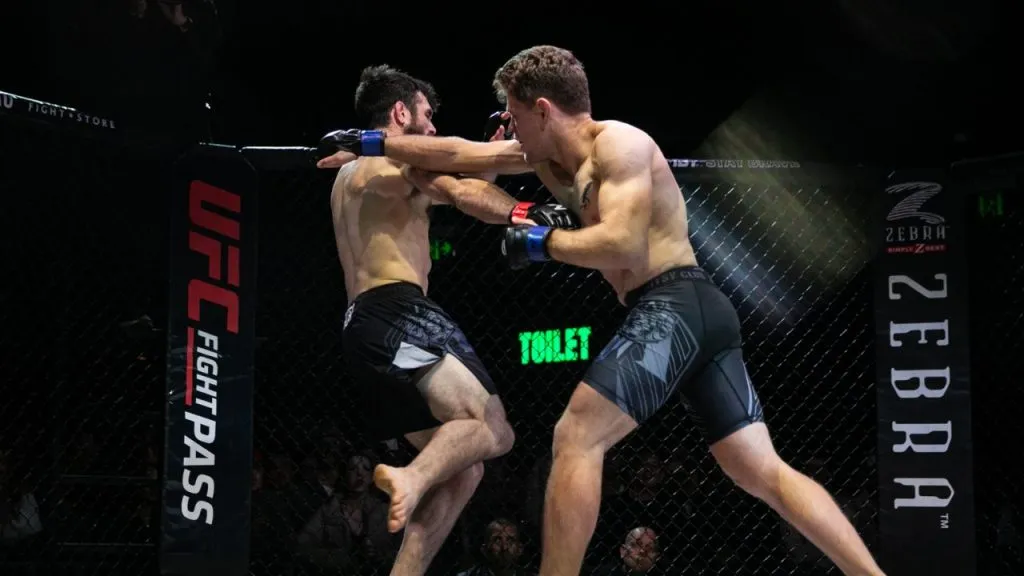
This is where combat sports events differ from a fun run. Think of event liability as car park to cage cover. If you’re held liable for something that happens between the car park and the fighting area, like someone tripping over an event sign on the way in, that’s the kind of claim it can respond to. Once a fighter enters the fighting area, whether that’s the ring, the cage or the competition mats, the liability cover stops. There’s no liability cover for participants inside it.
That makes the medical and safety set-up further down more important, not less.
Cover for a fighter’s own injuries, such as medical bills or time off work, is a different product again. We don’t arrange personal cover for individual fighters. Some sanctioning bodies and state regulators set their own requirements for competitors, so check with yours.
Professional indemnity
If your event involves advice or decisions that people rely on, such as matchmaking, weigh-ins, rules briefings or the conduct of officials, professional indemnity can matter alongside public liability. Ask whether it’s included for the event or sits on your existing gym or coaching policy.
Equipment and hired gear
Cages, rings, lighting, sound and screens are expensive, and hired gear usually comes with a hire agreement that says who pays if it’s damaged. Check whether that’s something your event cover can include, or whether it sits on your contents and equipment policy.
Cancellation
Main events fall over, venues double-book and storms close roads. Event cancellation cover is a separate type of policy from liability and isn’t automatically part of event cover. Ask us whether it’s available for your event, and what it would and wouldn’t respond to. Our post on event cancellation insurance for combat sports tournaments goes into the common causes.
What venues will ask you for
Most venues want proof of cover before they confirm the booking, and some won’t let you bump in without it. Expect to be asked for:
- A certificate of currency showing the policy is current on the event date, the public liability limit and the insured name.
- The venue noted on the policy as an interested party. This is a request your broker handles, so raise it when you ask for the quote.
- The right name. The name on the venue agreement, your ABN and the policy should match. A mismatch is one of the most common reasons a certificate gets knocked back.
- Your risk management plan: security, crowd numbers, first aid, how you’ll handle an injured fighter, and emergency access.
Our guide to certificates of currency explains what venues and councils check on the certificate itself.
Medical and safety: what insurers look for
Insurers look closely at how an event is run, because that’s what drives the risk. The details vary by state and by sanctioning body, so check the current requirements with your state’s combat sports regulator or sanctioning body before you lock in the card. As a general guide, organisers are expected to have:
- Medical cover at ringside or cageside, typically a doctor, with paramedics or an ambulance on standby for professional events.
- Pre-fight medicals and clearances for every fighter, plus any suspensions checked before the bout is confirmed.
- Registered or approved officials: referees, judges and a timekeeper who know the rules for that discipline.
- Fair matchmaking by weight, experience and record, with the reasoning written down.
- A head-injury procedure: a fighter with a suspected concussion is stopped and doesn’t compete again without medical clearance.
- Signed participant agreements that explain the risks. A waiver doesn’t replace insurance, and Australian law limits what it can do, especially for minors. Get legal advice on the wording.
- An incident log for the night, filled in on the spot.
None of this is paperwork for its own sake. It protects the fighters first, and it’s what an insurer will ask about if something goes wrong.
Amateur shows, showcases, charity and corporate bouts
Amateur cards, interclubs and eight-week-challenge showcases are where a lot of gyms start promoting. They bring their own questions. Novice fighters with a few weeks of training are a different risk to experienced amateurs, so insurers will want to know how fighters are prepared, matched and protected, including headgear, glove weights and round lengths.
Charity and corporate bouts (white-collar boxing and similar) often bring in people who have never competed. Treat them as their own category when you request a quote. Be upfront about who’s fighting, how long they’ve trained and what the rules are. An insurer that finds out after a claim that the event wasn’t what it was told about may not respond.
Youth events and gradings bring child-safety obligations as well: working with children checks for officials and volunteers, and consent from parents or guardians.
Planning timeline: when to sort the insurance
- Before you sign the venue agreement: find the insurance clause, the limit and the date they want proof by.
- Six to eight weeks out: request a quote with the details below.
- Once the quote’s accepted: send the venue the certificate of currency and keep a copy with your event file.
- Fight week: tell your broker if the card, venue, crowd size or format changes.
- After the event: report any incident promptly, even if no one has made a claim yet.
For the rest of the planning, from brackets to volunteers, see how to plan a successful martial arts tournament.
What to have ready for a quote
- The event name, date, venue and start and finish times, including bump-in and bump-out
- The disciplines, rules and whether bouts are amateur, professional or a mix
- How many bouts and how many fighters, and their experience level
- Expected crowd size, whether it’s ticketed, and whether alcohol is served
- The venue’s insurance requirements and the limit it asks for
- Your medical, security and first aid arrangements
- The sanctioning body or permit, if the event needs one
- Any other parties who want to be noted on the policy
Ready to put on your event?
Tell us what you’re running, where and when, and what the venue has asked for, and we’ll look at options that fit. Request a quote. Running a fight night at a gym we already insure? Call us on 1300 266 228 and we’ll look at adding it to your Combined Liability policy. If you also run classes, our pages on MMA insurance, boxing insurance and Muay Thai insurance cover the gym side.
General information only, not advice. Check your state’s combat sports rules with the regulator, and get legal advice on participant agreements and waivers. Cover is subject to eligibility and the policy terms, conditions, limits and exclusions.
Common questions
Do I need insurance to run a fight night or tournament?
In practice, yes. Most venues won’t confirm a booking without proof of public liability cover, and many sanctioning bodies and permits expect it too. Check your venue agreement for the limit it asks for and the date it needs proof by.
What is one-off event public liability insurance?
It’s public liability cover arranged for a single event date, including bump-in and bump-out, rather than a full year. It can respond to claims from spectators and other third parties for injury or property damage connected to the event, subject to the policy terms.
Does my gym’s insurance cover an event we run?
Not automatically. If we insure your gym, a fight night held at the gym can be added to your Combined Liability policy, as long as you tell us before the event and it’s agreed. An event at another venue needs its own event liability policy. Ask before you sign the venue agreement.
Does event public liability cover injured fighters?
No, not for what happens in the bout. The event liability we arrange is car park to cage cover: once a fighter enters the ring, cage or competition area, the liability cover stops. Cover for a fighter’s own injuries is a separate product, and we don’t arrange personal cover for individual fighters.
How far ahead should I arrange event insurance?
Start before you sign the venue agreement so you know the cover it asks for is available, and request a quote six to eight weeks out. Tell your broker if the card, venue or crowd size changes.