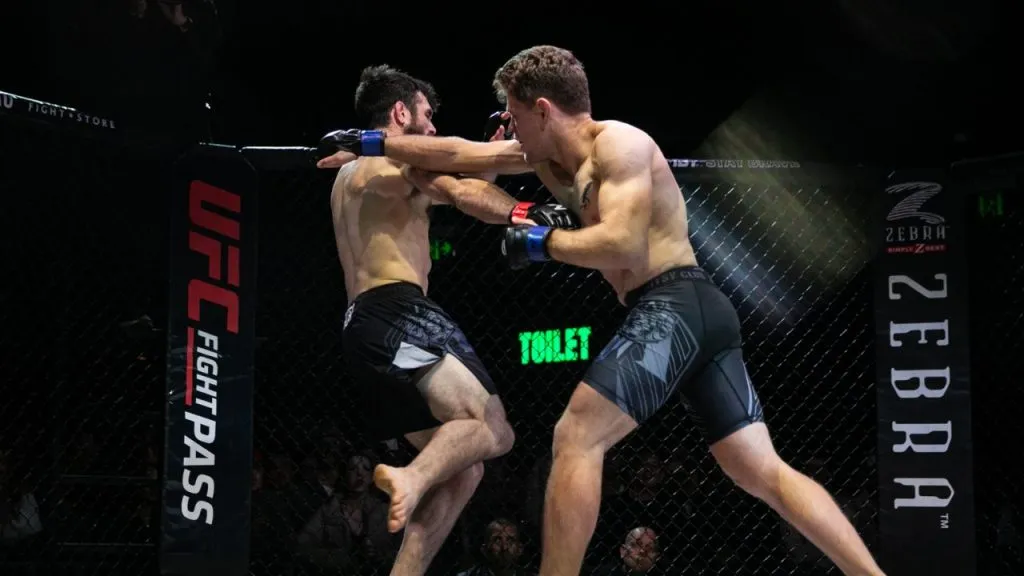

Running a Fight Night in Australia: State Rules, Permits and the Insurance Your Venue Will Ask For
Running a fight night in Australia means three sets of rules: your state’s combat sports regulator (a registered promoter and an event permit in most states), your sport’s sanctioning body, and your venue, which will want proof of public liability insurance before you bump in.
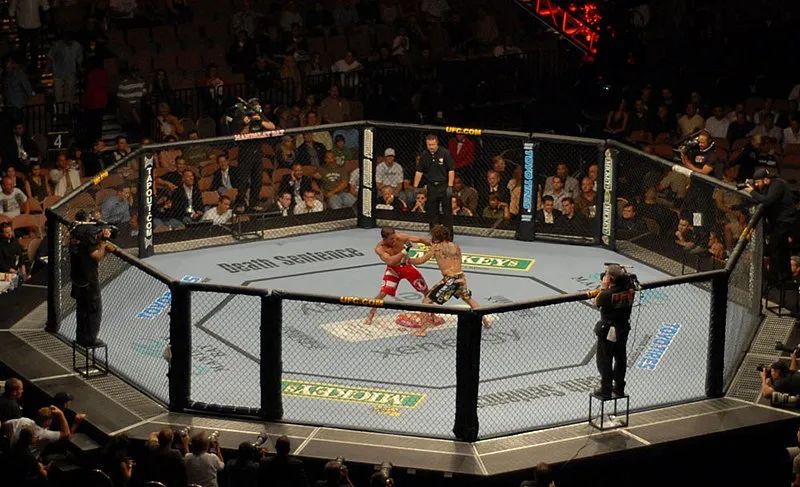
A fight night in Australia answers to three sets of rules: your state’s, your sport’s and your venue’s. Most states have a combat sports regulator that registers promoters and issues a permit for each event. Your sanctioning body sets the rules inside the ring or cage. Your venue sets the insurance, and it will want proof of it before you bump in.
This guide is for gyms and promoters putting on a fight night, interclub or amateur card. It sets out who regulates what in each state and territory, the paperwork that usually trips organisers up, and where insurance fits. It’s a starting point, not the final word: regulators change their forms and timeframes, so check with yours before you lock in a date.
Do you need a permit to run a fight night?
In most states, yes. New South Wales, Victoria, Western Australia, South Australia, Tasmania and the ACT all regulate combat sports contests in some form, and in the states with a permit system the promoter has to be registered or licensed before the permit is issued. Whether your event is caught usually depends on whether it’s professional or amateur, whether tickets are sold, and whether a recognised amateur body sanctions it. Queensland and the Northern Territory are different (see below).
The safe assumption is that a ticketed event with paid or professional fighters needs a permit, and that an amateur event needs either a permit or sanctioning by a body the regulator recognises. Ask the regulator before you advertise, not after.
State by state
New South Wales
The Combat Sports Authority of NSW regulates combat sports under the Combat Sports Act 2013. Promoters, combatants and industry participants such as referees and matchmakers have to be registered. A permit can only be issued to a registered promoter, and the Authority’s permits page says the application must be lodged at least 28 days before the contest. There are professional, amateur and pro-am permits.
Victoria
The Professional Boxing and Combat Sports Board licenses promoters and issues a promotion permit for each professional event. The Board says not to advertise a contest until the permit is issued, unless the advertising makes clear the event depends on it. Amateur MMA has its own rules and licensing in Victoria, and some charity events and events run by recognised amateur associations are treated differently, so check which category your card falls into.
Western Australia
The Combat Sports Commission runs the system under the Combat Sports Act 1987. A contest can’t be held without a permit, and you have to be an approved promoter before you can apply for one. The Commission’s permit guidance asks for the main application at least 42 days before the event, with further details closer to the night, including the contest card.
South Australia
The Office for Recreation, Sport and Racing administers the Boxing and Martial Arts Act 2000. You need a promoter’s licence to promote a professional or public boxing or martial arts event, the event must run under rules approved under the Act, and contestants must be registered. The Office asks for contestant registrations at least seven business days before the contest.
Tasmania
Tasmania doesn’t have a stand-alone combat sports Act. Contests run under the Standards for Boxing and Combat Sport Contests alongside the Police Offences Act 1935. Active Tasmania asks for details of a proposed contest, including its safety measures, six weeks before it, and the contest must be overseen by a recognised governing or sanctioning body.
Australian Capital Territory
The ACT regulates combat sports under the Controlled Sports Act 2019. Depending on the type of event, it has to be registered or notified before it runs. Applications are made through ACT Sport and Recreation.
Queensland and the Northern Territory
At the time of writing (November 2026) we couldn’t find a dedicated state combat sports regulator or event permit scheme in Queensland or the Northern Territory. That doesn’t mean anything goes. Your sanctioning body’s rules, your venue agreement, council and liquor licensing conditions, and the general law all still apply, and the venue will still want to see your insurance. Ask your sanctioning body what it requires before you book.
What regulators and sanctioning bodies usually look at
The details differ, but the same themes come up across the states and the sanctioning bodies:
- Registered people. The promoter, matchmaker, referees, judges and fighters registered or licensed where the state requires it.
- Medicals. Pre-fight medicals, a doctor at ringside or cageside, and an ambulance or paramedics where the rules call for one.
- Matchmaking. Fighters matched on weight, experience and record, with suspensions checked before the bout is confirmed.
- Rules for the night. The rule set, round lengths, glove weights and protective gear agreed in advance.
- Head injuries. A fighter who is stopped or shows signs of concussion doesn’t compete again without medical clearance.
- Timing. Permit and registration deadlines are weeks, not days. Work back from the event date.
Insurers look at the same things. A well-run card is easier to insure, and our post on sparring and concussion safety policies covers the head-injury side in more detail.
The insurance your venue will ask for
The permit is the regulator’s question. Insurance is the venue’s. Most venues want a certificate of currency for public liability before they confirm the booking, usually with a set limit, the right insured name and the venue noted as an interested party. Our certificate of currency guide explains what they check.
Where the event is held decides the cover. If we insure your gym, a fight night at your own gym can be added to your Combined Liability policy, as long as you tell us about it and it’s agreed before the night. An event at any other venue needs its own event liability policy, which covers bump-in and bump-out. Our standard combined package includes $20 million public liability and $5 million professional indemnity, subject to policy terms.
Car park to cage
Event liability is car park to cage cover. If you’re held liable for something that happens between the car park and the fighting area, like someone tripping over an event sign, that’s the kind of claim it can respond to. Once a fighter enters the ring, the cage or the competition mats, the liability cover stops. There’s no liability cover for participants in there, which is why the medical set-up above matters so much.
We don’t arrange personal cover for individual fighters. If your regulator or sanctioning body sets insurance requirements for competitors, check what they are and who provides it.
A working timeline
- Three months out: check your state’s rules and your sanctioning body’s, and confirm your promoter registration or licence is current.
- Before you sign the venue agreement: find the insurance clause and the limit the venue wants, then request a quote.
- Six to eight weeks out: lodge the permit application where your state needs one, allowing for its deadline.
- Two to four weeks out: lock in the card, medicals, officials and the certificate of currency for the venue.
- On the night: keep an incident log and the paperwork on hand.
Our fight night and tournament organiser’s guide goes further into the covers and what to have ready for a quote. If your gym runs MMA, our MMA insurance page sets out the business cover we arrange.
Ready to plan the night?
Tell us where the event is, who’s fighting and what the venue is asking for, and we’ll look at event liability that fits. Get a Quote, or call us on 1300 266 228.
Combat sports rules change. Check the current requirements with your state regulator and sanctioning body before you commit to a date, and get legal advice on anything you’re unsure of.
Common questions
Do you need a permit to run a fight night in Australia?
In most states, yes. NSW, Victoria, WA, South Australia, Tasmania and the ACT regulate combat sports contests, and where a permit is needed the promoter usually has to be registered or licensed first. Queensland and the NT had no dedicated state permit scheme we could find in November 2026, but sanctioning body and venue rules still apply.
How far ahead should I apply for a combat sports permit?
Allow at least six to eight weeks. NSW asks for permit applications at least 28 days before the contest, WA asks for the main application at least 42 days out, and Tasmania asks for contest details six weeks ahead. Check your regulator’s current timeframe before you set the date.
What insurance does a fight night need?
Public liability is what venues ask for, usually shown on a certificate of currency. A fight night at a gym we insure can be added to its Combined Liability policy if it’s declared and agreed beforehand; an event at any other venue needs its own event liability policy, subject to policy terms.
Does event insurance cover fighters injured in the ring or cage?
No. Event liability is car park to cage cover: it can respond if the organiser is held liable for something between the car park and the fighting area, but it stops once a fighter enters the ring, cage or competition mats. We don’t arrange personal cover for individual fighters.
General information only, not advice. This article doesn’t take into account your business’s objectives, financial situation or needs. Before you decide on cover, read the policy wording and talk to us. Cover is subject to eligibility and the policy terms, conditions, limits and exclusions.